
Published: 2026-10-28 | Last Updated: 2026-10-28
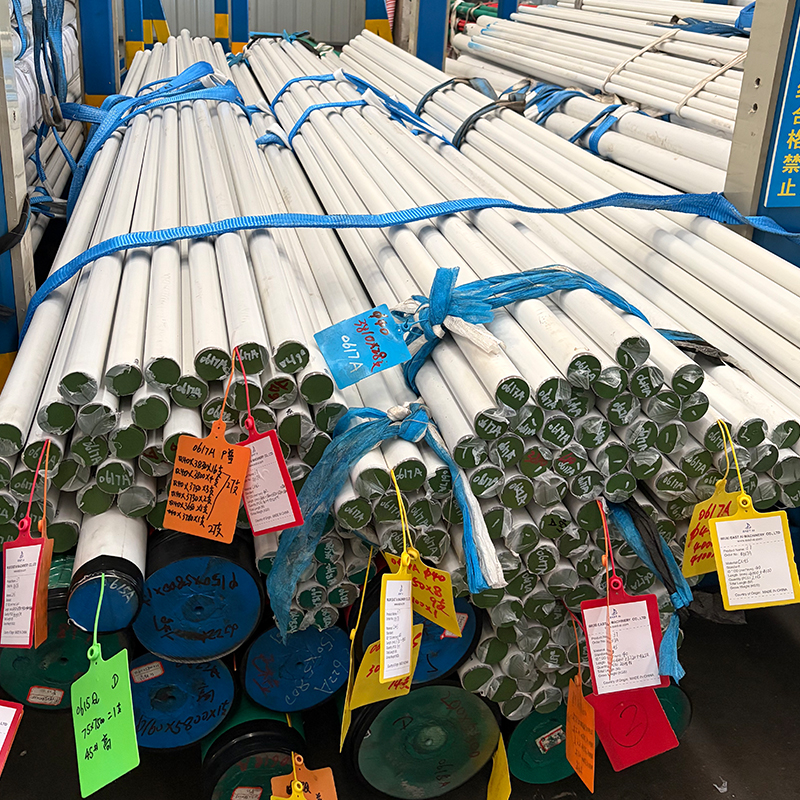
A chrome plated rod quote lands meaningfully below every other bid on the table, and the instinct for many procurement teams is immediate suspicion — something must be cut, hidden, or misunderstood to explain the gap. Sometimes that instinct is right. But a below-market quote has several legitimate explanations that have nothing to do with corner-cutting, and treating every low bid as automatically suspect means walking away from real savings that a more careful evaluation would have confirmed as genuine. The challenge isn’t deciding whether to trust a low quote on instinct — it’s building a verification process thorough enough to tell the two scenarios apart reliably.
The Legitimate Reasons a Quote Can Run Meaningfully Lower
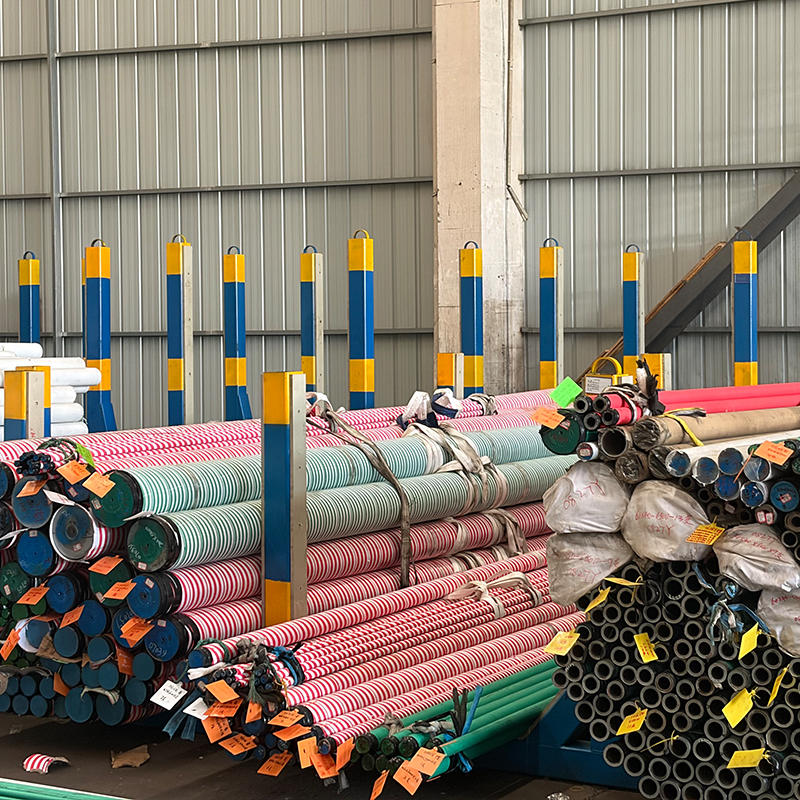
A supplier with excess capacity during a slow production period may price aggressively simply to keep equipment running rather than sitting idle — a real cost structure advantage, not a corner cut. A supplier closer to your raw steel source may have a genuine input cost advantage that competitors further from that supply chain don’t share. A newer supplier building market share may accept a thinner margin than an established competitor who has the luxury of pricing for profit rather than growth. None of these explanations involve compromised quality, and dismissing a quote purely because it’s the lowest number on the table risks losing access to a genuinely better deal for reasons that don’t actually hold up under examination.
The Specific Questions That Separate a Real Discount From a Hidden Cut
Rather than accepting or rejecting a low quote based on gut feel, a short set of specific questions reveals which category it falls into: what plating thickness and process specification is actually being quoted against, since a lower price sometimes reflects a thinner plating spec than competing quotes assumed; what base material grade is specified, since substituting a lower-grade steel core is a common, hard-to-spot way to reduce cost; and what inspection and testing is included in the price, since a quote that excludes third-party verification or detailed mechanical testing looks cheaper on paper while actually shifting that cost onto the buyer later. Getting all three answers in writing, specification by specification, against the exact same baseline used for competing quotes, is the only reliable way to confirm whether a lower price reflects a genuine advantage or a specification mismatch disguised as a discount.
Why Comparing Quotes Line-by-Line Matters More Than Comparing Final Numbers
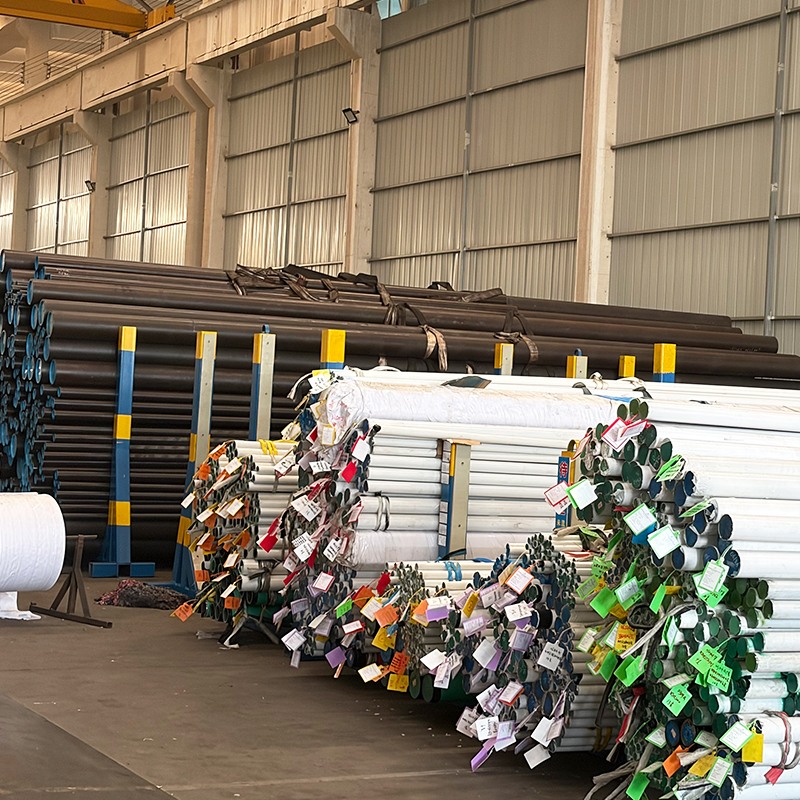
A final per-unit price number, viewed in isolation, hides exactly the kind of specification differences described above. Two quotes that appear to be for “the same chrome plated rod” can actually describe meaningfully different products once plating thickness, base material certification, straightness tolerance, and included testing are broken out line by line rather than bundled into a single headline figure. Requesting a standardized quote template from every supplier being compared — specifying exactly which attributes must be itemized separately — removes the ambiguity that otherwise makes an apples-to-oranges comparison look like a simple price difference.
What a Supplier’s Response to Detailed Questions Reveals
How a supplier responds when asked to itemize and justify a below-market quote is itself diagnostic information. A supplier with a genuine cost or capacity advantage answers these questions readily and specifically, since there’s nothing to hide behind a vague answer. A supplier who becomes evasive, provides inconsistent answers across follow-up questions, or pushes back on providing a detailed itemized breakdown is giving you a meaningful signal that the quote may not hold up to the scrutiny it would need to survive. Treating evasiveness itself as useful information — independent of whatever specific answer eventually comes back — is a reasonable and efficient way to filter quotes before investing further time in a deeper technical evaluation of each one.
Running a Small Trial Order Before Committing to Full Volume
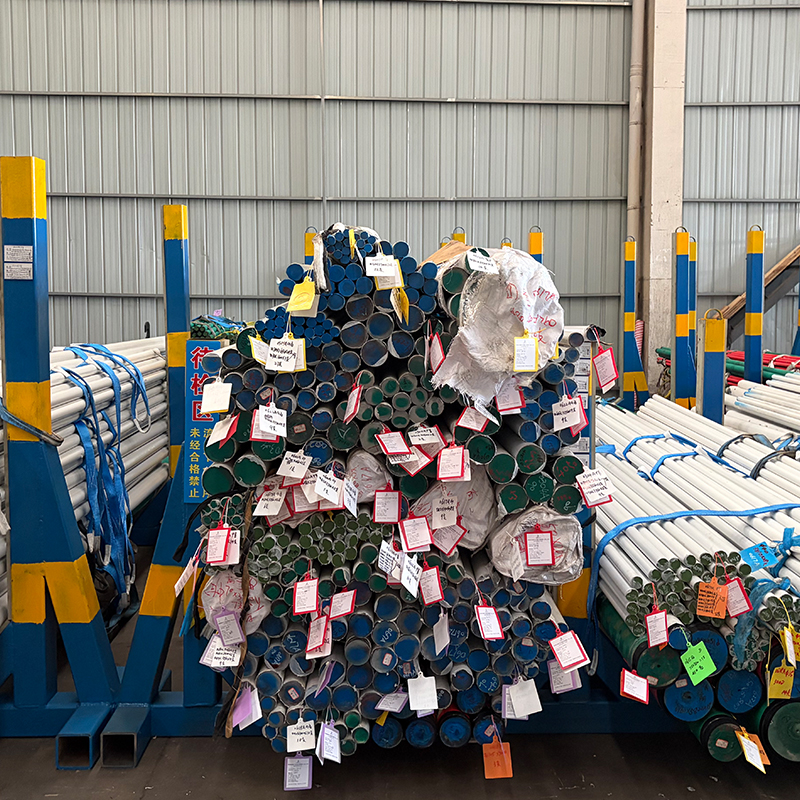
For a below-market quote that survives the written question-and-answer stage but still carries some residual uncertainty, a small trial order — a fraction of your typical volume, subjected to full incoming inspection and ideally some field testing before any volume commitment — provides real-world confirmation that a written quote alone can’t fully deliver. This adds some time to the qualification process, but it’s a meaningfully lower-risk way to validate a genuinely attractive below-market offer than committing to full volume based purely on paperwork and verbal assurances, and most reputable suppliers readily accommodate a reasonable trial order as a normal part of establishing a new relationship.
Why Walking Away From Every Low Bid Has Its Own Real Cost
Procurement teams that apply a blanket policy of avoiding any quote significantly below the market average are protecting themselves against the risk of a hidden cut, but they’re also systematically excluding themselves from capturing legitimate cost advantages that genuinely exist in the market. Over time, this conservative-by-default approach costs real money across a large purchasing volume, even though no individual decision to reject a low bid ever looks obviously wrong in isolation. The more disciplined and efficient approach isn’t avoiding low bids altogether — it’s building a verification process thorough enough to confidently distinguish the legitimate discounts from the disguised cuts, so that genuine savings aren’t left on the table out of an understandable but ultimately costly excess of caution.
Building This Into a Standard Quote Evaluation Checklist
Rather than relying on an individual buyer’s judgment each time an unusually low quote arrives, a standing checklist — itemized specification comparison, written answers to the three key questions above, and a trial order threshold for quotes falling a certain percentage below the market average — turns this from an ad hoc judgment call into a consistent, repeatable evaluation process that any member of a procurement team can apply the same way regardless of who happens to receive the quote.
How Currency Fluctuation Can Create a Temporary, Legitimate Price Gap
For buyers sourcing internationally, a below-market quote sometimes reflects nothing more than a temporary currency advantage — a supplier operating in a currency that has recently weakened against the buyer’s own currency can offer genuinely lower pricing without changing anything about their cost structure, quality practices, or margin targets. This kind of gap is real but potentially short-lived, which means a buyer locking in a multi-year agreement based purely on a currency-driven price advantage should understand that the advantage could shrink or reverse if exchange rates move the other way during the contract term. Asking a supplier directly whether a quoted price reflects a currency advantage, and whether they’d be willing to structure pricing with some protection against future currency swings, surfaces this consideration before it becomes a point of friction later in the relationship.
Why Established Suppliers Sometimes Match a Below-Market Quote When Asked
An established supplier, informed that a competitor has quoted meaningfully lower on the same specification, will sometimes reveal that their original quote included margin flexibility they hadn’t initially offered, or that they’re willing to match the lower price while maintaining the same quality and service level the buyer already trusts. This doesn’t always happen, and a supplier unwilling to adjust isn’t necessarily overpriced — but it’s a reasonable step to take before switching to an unfamiliar supplier purely on price, since it tests whether the price gap can be closed without introducing the qualification risk of a new, unproven relationship. Giving an incumbent supplier the chance to respond to a specific competing quote, rather than silently switching away, often resolves the tension without requiring a full supplier transition at all.
What Happens When a Trial Order Reveals a Real Problem
Occasionally, a trial order on a below-market quote does reveal a genuine issue — a plating thickness that measures thinner than specified, a base material that doesn’t match the certified grade, or a dimensional tolerance that drifts outside spec more than competing suppliers’ material does. When this happens, the trial order has done exactly what it was designed to do: caught a real problem before it reached full production volume, at the cost of a small test order rather than a much larger commitment. This outcome shouldn’t be treated as a failure of the evaluation process — it’s the process working as intended, and it reinforces the value of running a trial rather than committing directly to volume based on paperwork and a favorable price alone.
How to Handle a Supplier Relationship That Starts With Price-Driven Skepticism
A supplier relationship that begins with the buyer’s initial skepticism about an unusually low quote can still develop into a strong, long-term partnership once the verification process confirms the pricing is legitimate — the early scrutiny doesn’t need to create lasting friction if it’s conducted professionally and the supplier passes the evaluation cleanly. Communicating directly with a new supplier about why the verification process was thorough, rather than leaving them to wonder why their quote triggered extra scrutiny, generally produces a better long-term working relationship than either silently accepting the quote without question or silently walking away without explanation. Suppliers who understand the reasoning behind the scrutiny tend to view it as a sign of a disciplined, serious buyer rather than an insult, which sets a healthier tone for the relationship going forward.
Why This Evaluation Discipline Pays Off Even When Most Quotes Are Legitimate
Most below-market quotes that survive a thorough evaluation process do turn out to reflect genuine, legitimate cost advantages rather than hidden problems — which might suggest the whole verification exercise is unnecessary overhead for a risk that rarely actually materializes. But the value of the process isn’t just catching the occasional bad quote; it’s building organizational confidence to actually capture legitimate savings that a less disciplined procurement process would have passed up out of unverified suspicion. A procurement team with a reliable evaluation process in place can pursue below-market quotes aggressively, capturing real savings across many purchasing decisions, specifically because they have a dependable way to confirm which quotes are genuinely safe to pursue.
Related Reading
- What Does a Chrome Plated Rod Supplier’s Sample Approval Process Actually Prove, and What Does It Miss?
- What Should an OEM Check Before Accepting a Chrome Plated Rod Design Change From a Supplier?
- How Should an OEM Weigh a Chrome Plated Rod Supplier’s Geographic Location Against Landed Cost?
Evaluating a below-market chrome plated rod quote and want a second opinion on the specification? Talk with our team for a transparent comparison of plating thickness, base material, and testing scope.
Contact EAST AI (eaihydraulic.com) Email: market@east-ai.com Phone: +86 13771568763 Address: Wuxi, Jiangsu, China.
Written by Alex, Production Engineer at EAST AI