
A dealer supplying parts to self-propelled sprayer operators once described a pattern that puzzled his shop: boom-fold and boom-level cylinders that worked perfectly in the yard would develop a faint stick-slip jerk in the field after a season of spraying fertilizer and crop chemicals. The cylinders were not leaking and the rods looked fine. The problem was in the bore: fine agricultural dust mixed with chemical residue had worked past aging wipers and embedded itself in the honed surface, roughening it just enough to disturb the smooth, low-friction motion that boom leveling depends on. Sprayer cylinders do not carry heavy loads. They carry precision, and precision is the first thing contamination takes away.
This article is for agricultural equipment dealers, service providers, and manufacturers who supply cylinders for sprayers, planters, and other implements where smooth, controlled motion matters as much as strength. It looks at what makes boom and leveling cylinders different from the heavy-lift cylinders that dominate most agricultural hydraulics discussion, and how to specify honed tube for that duty.
A Different Kind of Agricultural Cylinder
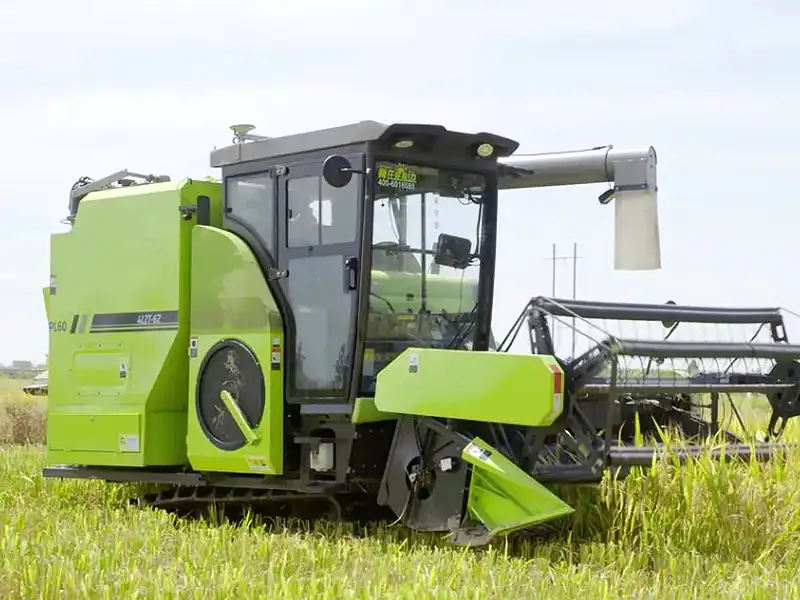
Most agricultural cylinder articles focus on lift and tilt duty: loaders, three-point hitches, and dump beds, where the priority is strength and corrosion resistance under heavy, infrequent cycling. Boom-fold, boom-level, and row-unit cylinders on sprayers, planters, and cultivators live in a different world. Loads are comparatively light. What matters is that the cylinder moves smoothly and predictably, because a boom that jerks or hesitates during leveling shakes the whole structure, and a row-unit cylinder that sticks affects planting accuracy or spray pattern.
Smooth motion depends on low, consistent friction between the rod, the seal, and the bore. That makes the honed bore finish and its resistance to contamination central to how well these cylinders perform, not a secondary concern behind strength.

Why Contamination Hits Precision Motion Hardest
Field contamination is unavoidable in this duty. Dust, dried mud, and chemical residue from spraying settle on exposed cylinders every pass across the field, and boom cylinders are mounted where they are directly exposed to spray drift and airborne dust. Every time the cylinder strokes, whatever the wiper does not exclude rides toward the seal and the bore.
In a heavy lift cylinder, a small amount of contamination mainly accelerates wear. In a precision-motion cylinder, the same contamination changes the friction characteristics of the stroke, which shows up immediately as uneven, jerky motion rather than as a slow wear trend. This is why sprayer operators notice the problem as a control quality issue long before a service technician would find measurable wear on a bore gauge.
Bore Finish for Consistent Friction
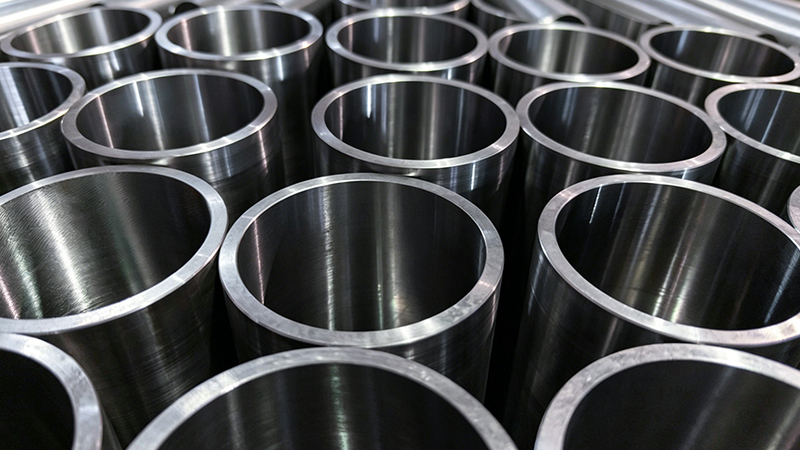
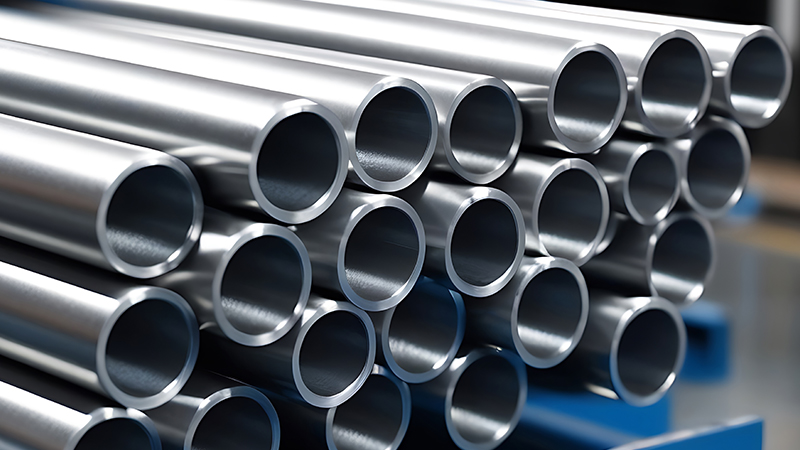
A plateau-honed bore, with a controlled cross-hatch and flattened peaks, gives the seal a stable, low-friction surface to ride on while still retaining enough oil film to lubricate the stroke. For precision-motion cylinders, consistency of this finish along the whole bore matters more than chasing the lowest possible roughness number, because a bore that varies from smooth to slightly rough along its length produces varying friction and therefore uneven motion as the piston travels.
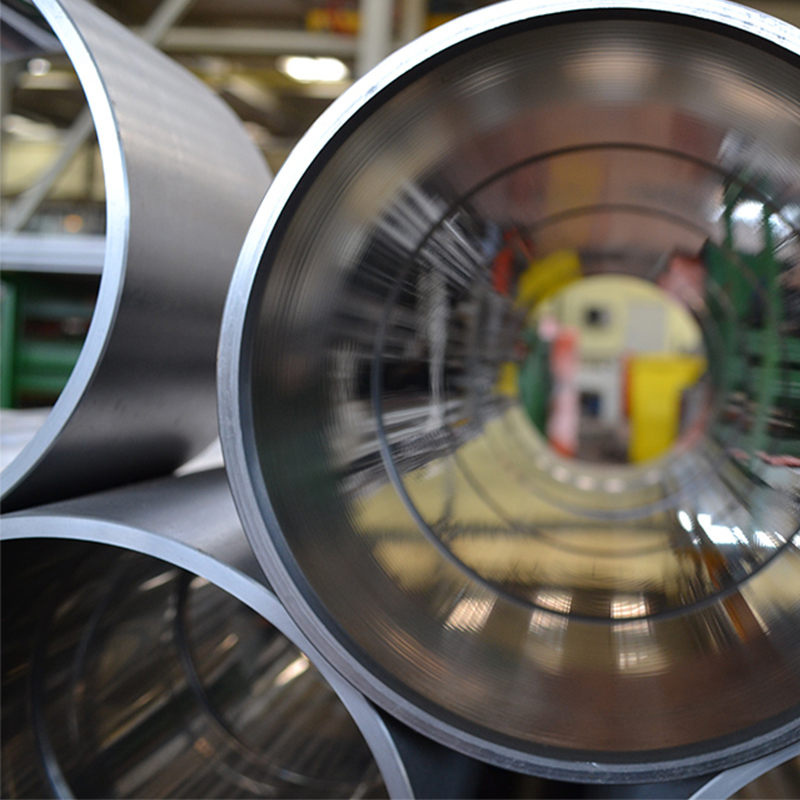
This is also why roundness deserves attention on these cylinders. A slightly oval bore causes the seal to compress unevenly as the piston rotates or as side load shifts, and that uneven compression shows up as friction variation exactly where a leveling system needs the smoothest response. Specifying and verifying roundness, not just diameter, protects the motion quality these cylinders are chosen for.
Corrosion Protection Without Overspecifying
Chemical exposure on a sprayer is real, but it is usually intermittent rather than constant immersion, and boom cylinders are not typically idle for long periods in a wet state the way stored equipment can be. Standard carbon-steel honed tube, protected by good sealing and rust-preventive practice, generally suits this duty well. Where a customer’s spray program uses particularly aggressive chemicals or the machine works in consistently humid regions, upgrading to an internally chrome-plated bore is a reasonable step, but it should be a deliberate choice based on the actual chemical exposure rather than a default.
Wiper and Seal Selection for Field Dust
Because contamination exclusion matters so much here, the wiper seal deserves as much attention as the bore. A robust single or double-lip wiper suited to fine, abrasive dust protects the bore and the rod seal far more effectively than a light-duty design intended for clean indoor service. Regular wiper inspection and replacement, ahead of visible leakage, keeps the friction consistent that these cylinders depend on.
Seal material choice also plays a role. Where fine motion and low friction dominate the requirement, a low-friction seal design appropriate to the pressure and speed of boom actuation avoids the stick-slip behavior that heavier, higher-friction seal packages can introduce, particularly once any contamination has begun to roughen the bore slightly.
Advising Customers on the Real Requirement
For a dealer or service provider, the practical lesson is to ask what the cylinder actually does before recommending a specification. A boom-level or row-unit cylinder is not simply a smaller lift cylinder; it is a precision-motion component operating in a dirty field environment, and it rewards attention to bore finish consistency, roundness, and wiper protection more than raw wall thickness or chrome depth. Framing the conversation this way helps customers understand why the right cylinder for this duty is specified differently from the loader cylinder on the same machine, and it positions the supplier as someone who understands the application, not just the part number.
Related Reading
- Chrome Plated Rod for Agricultural Cylinders: Handling Moisture and Seasonal Idle
- Honed Tube ID Cross-Hatch Angle and Oil Film Retention
- Hydraulic Cylinder Seal Selection: PU vs PTFE by Duty Cycle
Precision Motion Needs a Precision Bore
Boom and row-unit cylinders are judged on smoothness, not just strength. Specify the bore finish, roundness, and wiper protection for that duty, and the jerky, contamination-driven motion problems disappear.
What We Offer
- Honed tube with consistent plateau-honed finish and controlled roundness for precision-motion cylinders
- Guidance on matching bore finish and seal design to boom, leveling, and row-unit duty
- Standard and chrome-plated bore options for varying chemical exposure levels
- Full material traceability and support for agricultural equipment builders and dealers
Contact EAST AI (eaihydraulic.com) Email: market@east-ai.com Phone: +86 13771568763 Address: Wuxi, Jiangsu, China.
Written by Alex, Production Engineer at EAST AI