
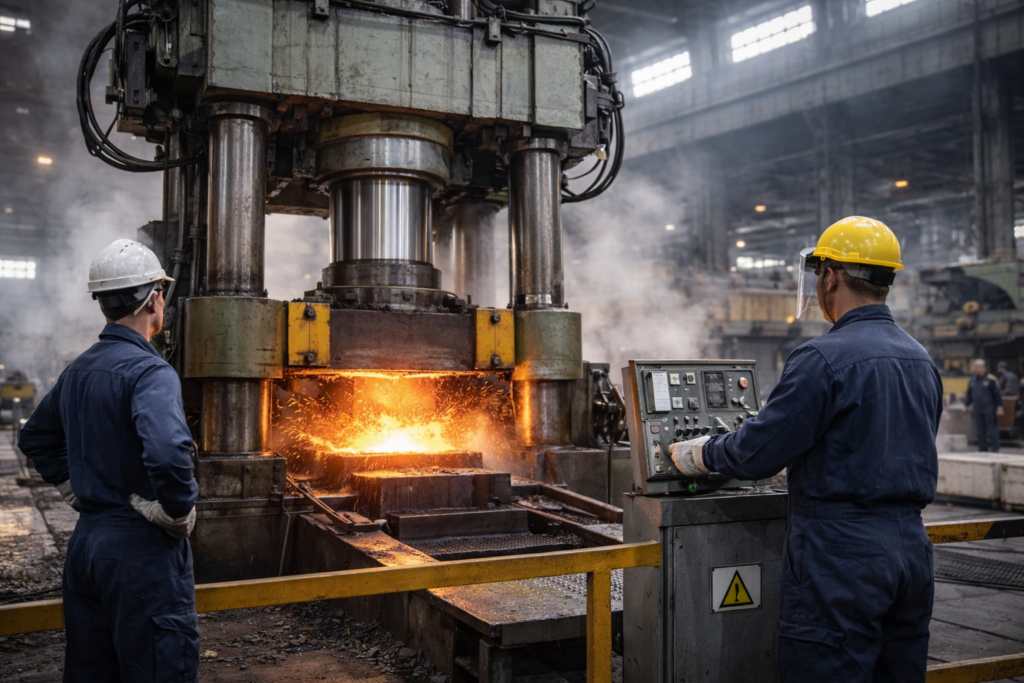
Vibratory rollers and plate compactors put hydraulic components through a loading pattern most other equipment never sees: constant, high-frequency vibration superimposed on top of whatever static load the cylinder is already carrying. This isn’t the occasional shock load a general construction cylinder might experience — it’s continuous, cycle after cycle, for every hour the machine runs, and it changes which failure modes actually show up first in service.
Vibration accelerates fatigue in ways static load testing doesn’t predict well. A bore and rod combination that handles a given static load comfortably can still develop fatigue-related wear or cracking under sustained vibration at a frequency and amplitude that static specifications don’t account for. This is why vibratory compaction equipment manufacturers who spec hydraulic components purely against static load ratings sometimes see field failures that a straightforward load calculation never predicted.
Where Vibration Actually Does the Damage
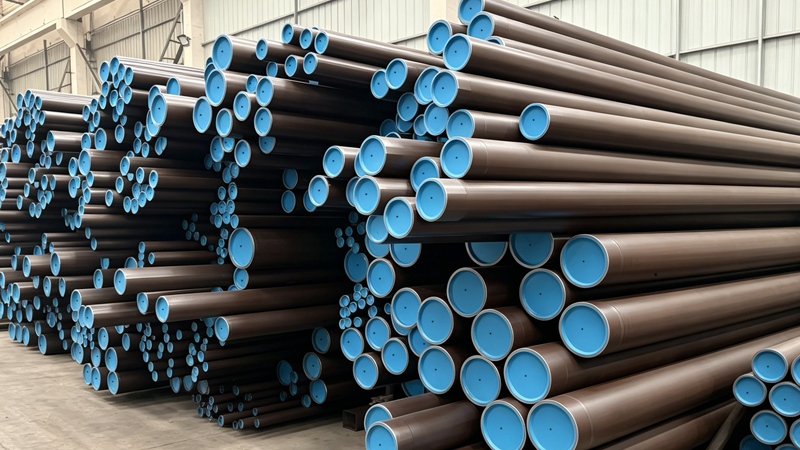
High-frequency vibration transmitted through the mounting structure into the cylinder body can loosen fits that were adequate under static conditions alone — seal retention, fastener torque, even the fit between the rod and its guide bushing can work slightly looser over months of continuous vibration exposure. Once a fit loosens even slightly, the resulting micro-movement generates its own wear, independent of the vibration itself, in a compounding cycle that’s hard to reverse without a full teardown.
Chrome and Bore Specification Under Vibration Loading
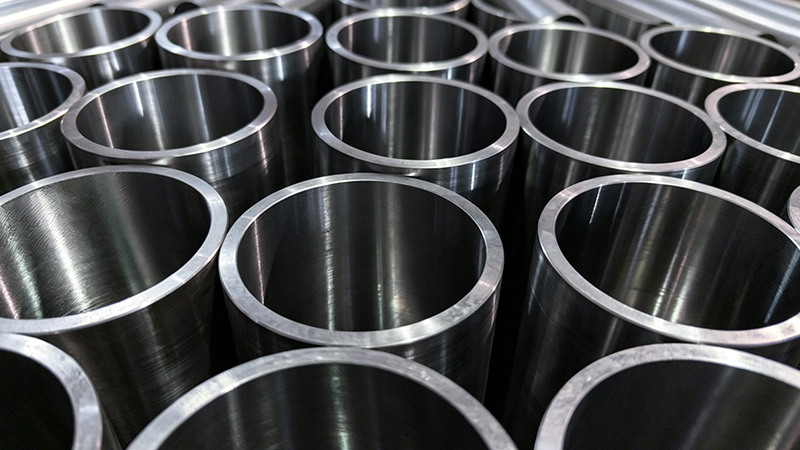
For rod and bore specification, vibration loading argues for conservative margins beyond what static load calculations alone would suggest — the kind of margin that accounts for fatigue life reduction under cyclic loading, not just peak stress under a single static load case. Base steel fatigue properties matter more here than in a purely static application, and a specification that only considers hardness and static strength without reference to fatigue performance is missing a real variable for this duty.
Seal Retention Deserves Specific Attention
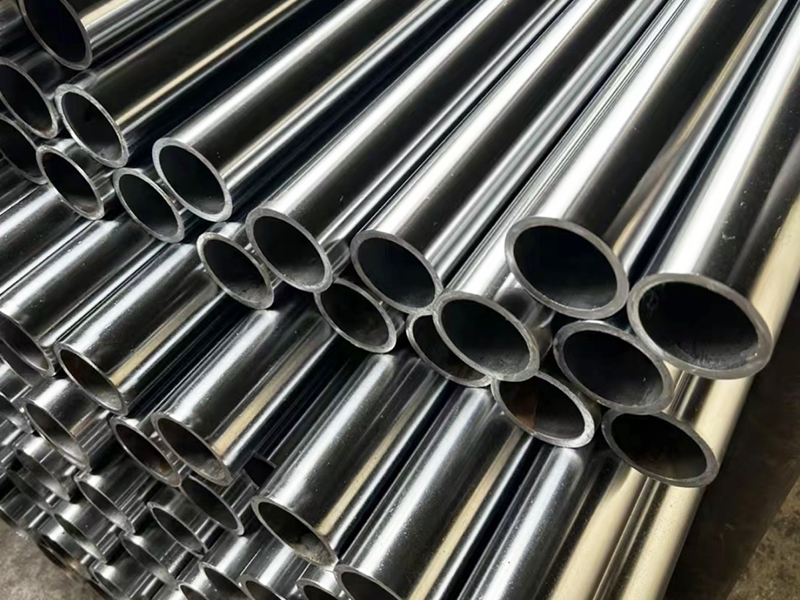
Standard seal retention methods designed for static or moderate-cycle applications can underperform under sustained high-frequency vibration, where the vibration itself can work against retention features that would hold perfectly well under normal operating conditions. Specifying retention methods explicitly rated for vibration service, rather than assuming standard retention hardware transfers directly to this duty, closes a gap that otherwise shows up as seals working loose or shifting position over an extended service period.
Why Preventive Inspection Intervals Should Be Shorter Here
Given the accelerated fatigue risk and the tendency for fits to loosen gradually under vibration, inspection intervals shorter than what a similar static-load cylinder would need give you a better chance of catching developing problems — loosened fasteners, early seal migration, early-stage fatigue cracking — before they progress to a field failure. This is a maintenance planning recommendation as much as a component specification one, and both matter for getting full service life out of vibratory compaction hydraulics.
Specifying for the Actual Loading Environment
The practical takeaway for equipment manufacturers in this category is to specify bore and rod components against the real combination of static load and sustained high-frequency vibration, with margins and fatigue considerations that a purely static specification doesn’t capture, and to build vibration-aware inspection intervals into the maintenance program from the start rather than discovering the need after a field failure.
Related Reading
- Honed Tube for Truck-Mounted Crane Outrigger Cylinders: Short-Stroke, High-Load Duty
- Stop Tube in Long-Stroke Hydraulic Cylinders: Why It Extends Life
- Honed Tube for Agricultural Sprayer and Boom Cylinders: Fine Motion Under Contamination
What We Offer
- Honed tube with fatigue-aware base steel selection for high-vibration duty cycles
- Technical consultation on conservative sizing margins beyond static load calculations
- Guidance on seal retention methods rated for sustained vibration service
- Full material traceability for compaction equipment manufacturers
Contact EAST AI (eaihydraulic.com) Email: market@east-ai.com Phone: +86 13771568763 Address: Wuxi, Jiangsu, China.
Written by Alex, Production Engineer at EAST AI