
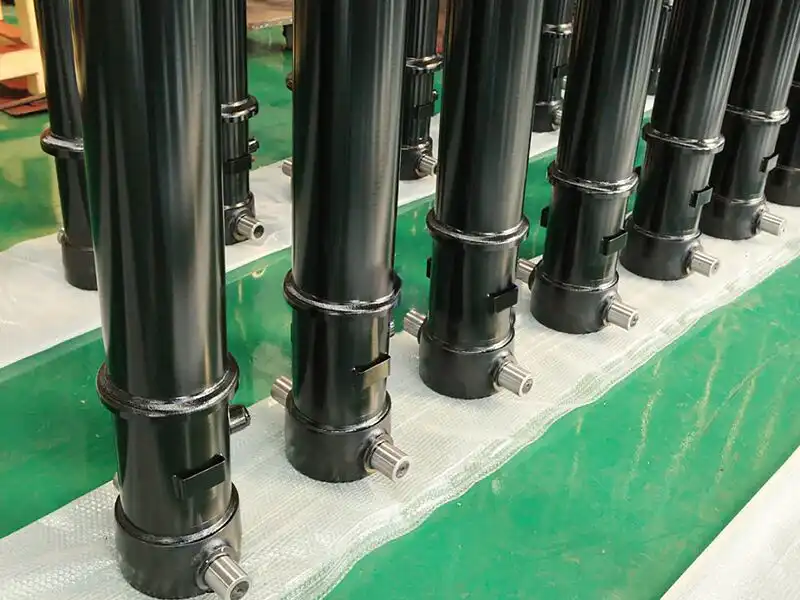
A recycling equipment dealer once described a frustrating pattern: baler cylinders that performed well for the first year developed a gritty feel and progressively worse leakage after that, far sooner than the same cylinder model used on a cleaner application like a woodworking press. The difference was not the cylinder’s design. It was what the cylinder lived inside: a baling chamber full of fine glass dust, metal fines, grit, and whatever contamination rode in with the recyclable material itself, settling on every exposed surface including the rod and working its way past wipers that were adequate for a cleaner job but not for this one.
This article is for equipment builders and dealers supplying hydraulic cylinders for balers, compactors, shredders, and other waste and recycling machinery, and it explains why this duty’s combination of heavy contamination and high cycle rates calls for deliberate rod and bore protection choices.
A Contamination Load Unlike Most Other Applications
Waste and recycling equipment generates airborne and settling particulate that is both abundant and abrasive in character: fine glass, metal shavings, grit from construction debris, and dust from paper and cardboard processing all contribute to an environment where exposed hydraulic components accumulate contamination far faster than in a typical factory setting. Unlike agricultural or construction dust, which varies seasonally or by job site, a baler or shredder processing material continuously generates this contamination as a constant byproduct of its own operation, every working hour.
Why Standard Wipers Struggle Here
A wiper seal rated for general industrial dust can be overwhelmed by the sheer volume and abrasive character of recycling-line contamination, allowing fine particulate to work past the wiper lip and reach the honed bore during normal operation. Once particulate reaches the bore, it accelerates wear on both the rod surface and the bore finish with every stroke, a process that compounds over the high cycle counts typical of baling and compacting equipment running continuously through a shift.
Heavy-duty wiper seals, specifically rated for high contamination loads and often paired with a secondary wiper or scraper stage, provide meaningfully better protection in this environment than a standard single-stage wiper, and the added protection pays for itself quickly against the alternative of accelerated rebuild cycles.
Chrome Specification for Abrasive Contact
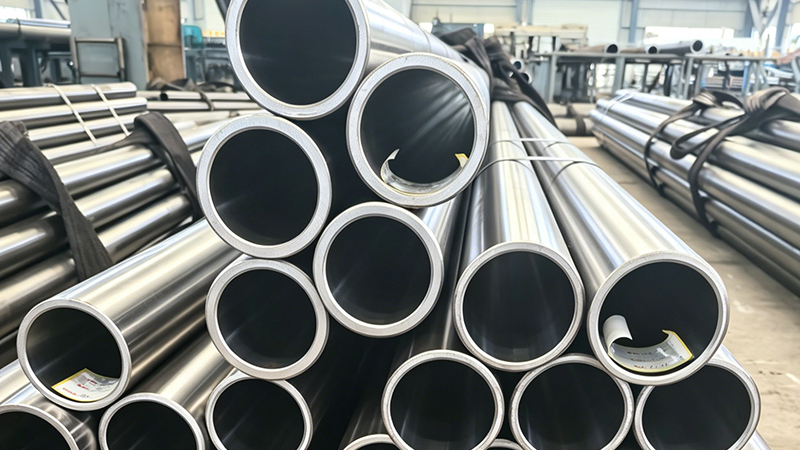
Where contamination does reach the rod despite wiper protection, the chrome layer’s hardness and thickness become the next line of defense, resisting the abrasive wear that fine particulate causes on repeated contact. A chrome specification appropriate for high-abrasion duty, similar to the thinking applied to material handling and other particulate-heavy applications, gives the rod a better chance of surviving the contamination that inevitably gets past even a good wiper over enough cycles.

Bore Protection and Honing Quality
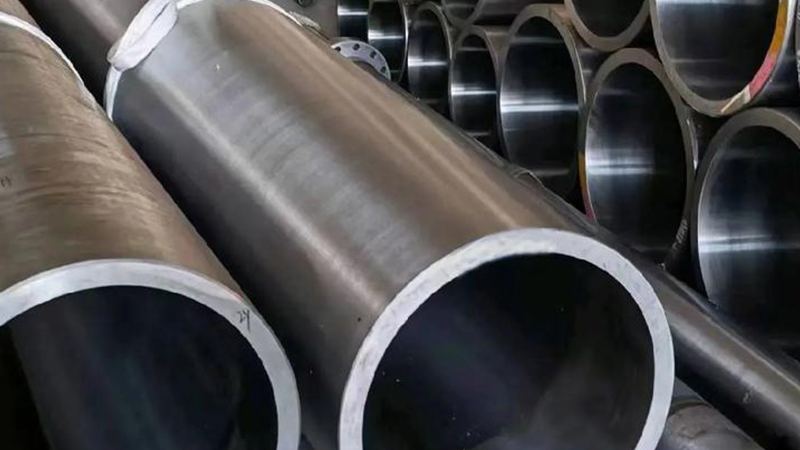
The honed bore itself benefits from the same attention: a well-controlled surface finish that retains oil film effectively resists the embedding of fine abrasive particles into the bore surface, which is a known mechanism of accelerated wear once contamination has entered the system. For the most severe applications, an internally chrome-plated bore offers additional resistance to this abrasive wear mechanism beyond what a standard honed finish provides.
High Cycle Rates Compound Every Weakness
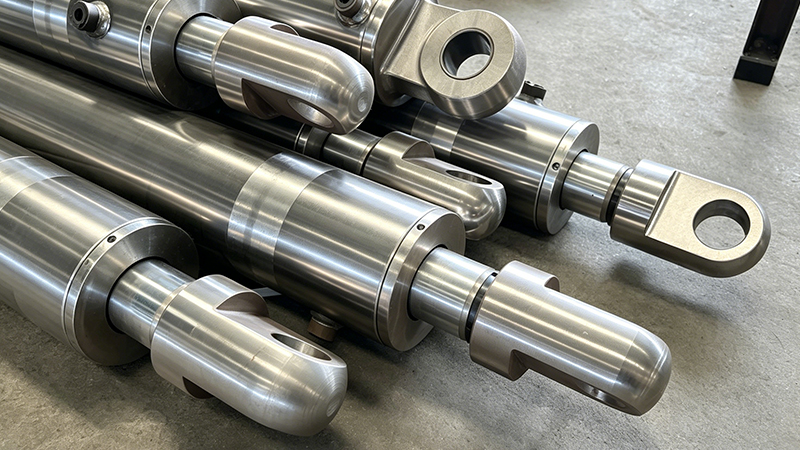
Balers and compactors often cycle far more frequently than general industrial equipment, and this high cycle rate means that any weakness in wiper protection, chrome specification, or bore finish gets exercised far more times per operating hour than it would in a slower-cycling application. A component specification that would be entirely adequate on an infrequently cycled machine can prove inadequate here simply because of how many times per day the seal, rod, and bore interact under contamination that a lower-cycle application would never accumulate as quickly.
Specifying for the Combined Demand
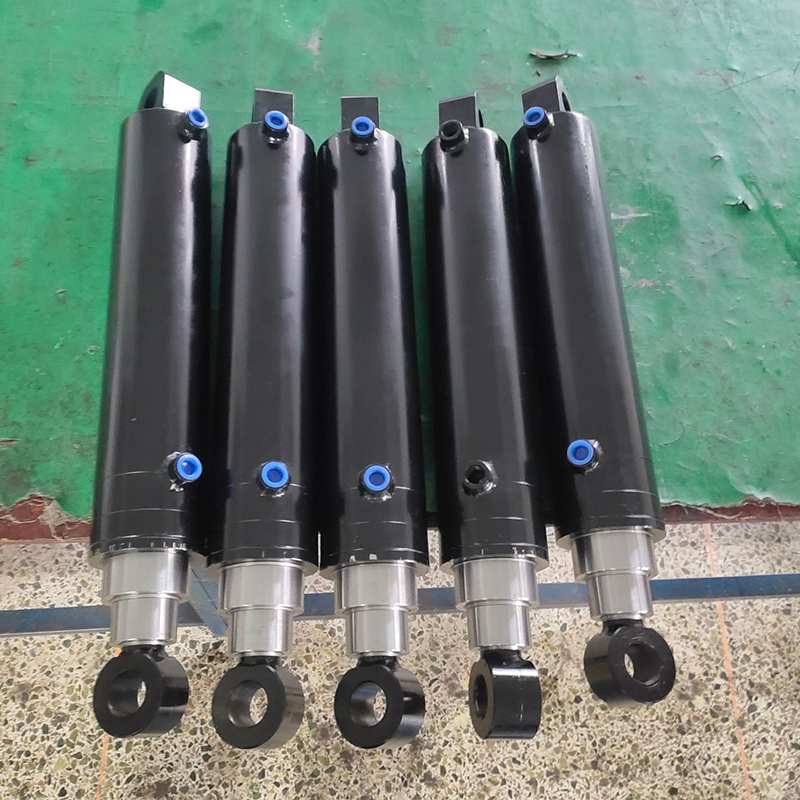
The practical lesson for equipment builders supplying this sector is to specify rod and bore protection for the combination of heavy contamination and high cycle rate, not for either factor alone. A component that would handle moderate contamination at a moderate cycle rate, or heavy contamination at a low cycle rate, may still prove inadequate when both factors stack together, which is exactly the gap that produced the frustrating one-year wear pattern described above.
Related Reading
- Rod Wiper Seals and Contamination Exclusion
- Chrome Plated Rod for Material Handling and Forklift Cylinders
- Honed Tube for Agricultural Sprayer and Boom Cylinders: Fine Motion Under Contamination
Contamination Plus Cycle Rate Is the Real Spec
Balers and shredders combine heavy abrasive contamination with high cycle rates, a demand that overwhelms components sized for either factor alone. Specify heavy-duty wipers, abrasion-rated chrome, and bore protection for the combination, not just one half of it.
What We Offer
- Honed tube with standard and internally chrome-plated bore options for high-contamination duty
- Chrome plated rod specified for abrasive, high-cycle recycling equipment applications
- Guidance on heavy-duty wiper selection for balers, compactors, and shredders
- Full material traceability for recycling and waste equipment builders
Contact EAST AI (eaihydraulic.com) Email: market@east-ai.com Phone: +86 13771568763 Address: Wuxi, Jiangsu, China.
Written by Alex, Production Engineer at EAST AI