
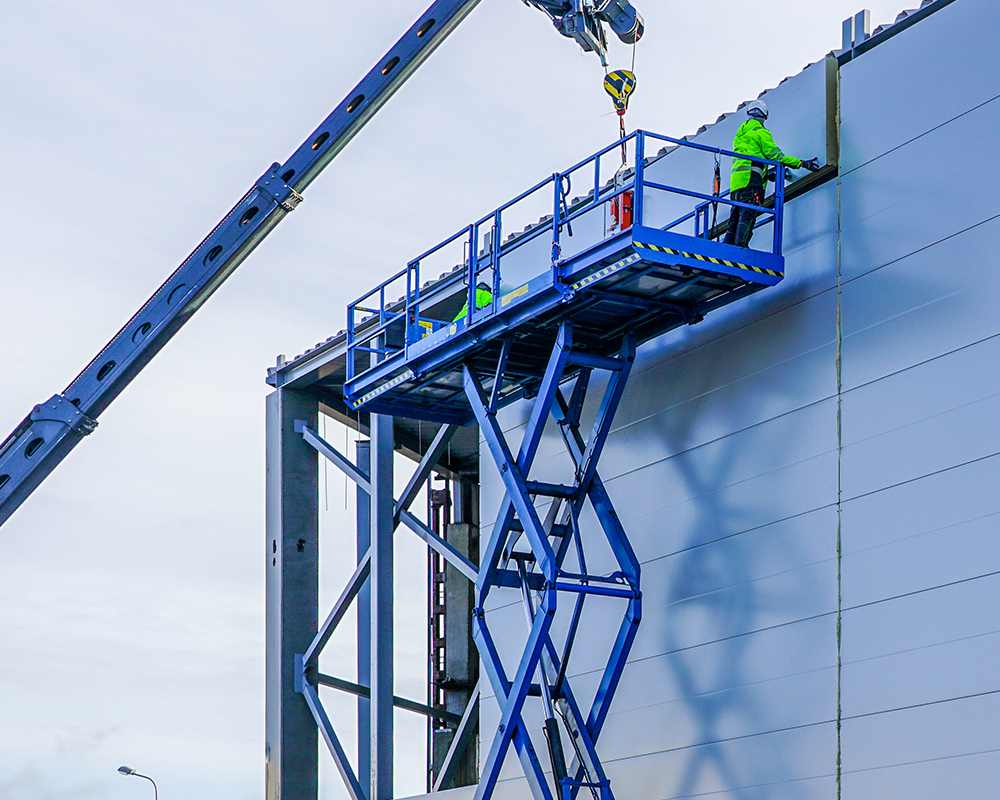
Scissor lifts and dock levelers don’t look like demanding applications on paper. Loads are moderate, strokes are short, and the equipment often sits indoors or under cover. What makes this category worth a closer look is cycle frequency — a dock leveler at a busy distribution center can cycle dozens of times a day, every working day, year after year, and that accumulated cycle count adds up to wear patterns that a lower-frequency application with similar loads never develops.
Fatigue from repetition, not force, is the real driver here. A rod rated comfortably for the actual load on a dock leveler can still show surface wear at the seal contact zone well before a lower-cycle application with the same chrome specification would, simply because the seal has passed over that same section of rod tens of thousands more times. This is a case where the chrome spec needs to account for cycle count as much as, or more than, raw load.
Why Short Stroke Concentrates Wear
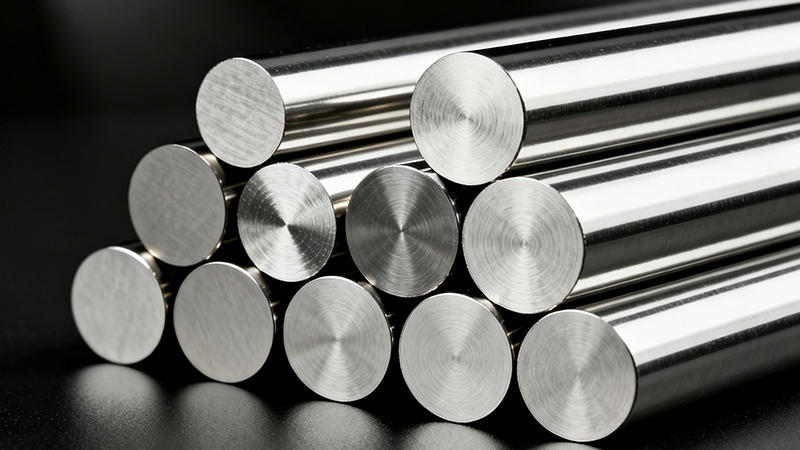
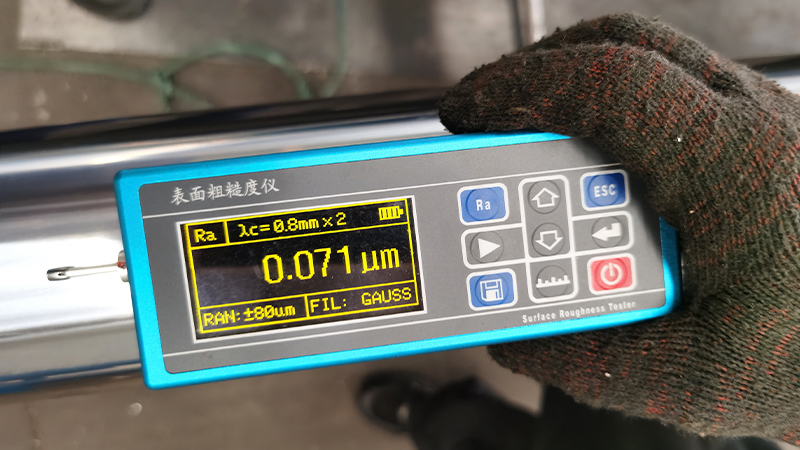
A short-stroke cylinder’s seal travels over a relatively small section of rod surface repeatedly, rather than spreading wear across a longer travel length the way a long-stroke cylinder does. That concentration means any weakness in that specific section of chrome — a slightly thin spot, a minor surface imperfection — gets exercised disproportionately more often than it would on a cylinder where the seal’s travel path covers more total surface area. Consistent chrome thickness and finish across the full stroke length matters more here than the average specification might suggest.
Indoor Doesn’t Mean No Corrosion Risk
It’s tempting to treat indoor equipment as low-risk for corrosion, but loading docks are exposed to outdoor air every time a trailer door opens, along with moisture tracked in from wet pavement and, in many climates, de-icing salt residue carried in on truck tires and forklift wheels during winter months. This is a lower-intensity exposure than genuinely outdoor equipment faces, but it’s not zero, and chrome specified as if the application were fully climate-controlled can underperform modestly over years of this intermittent exposure.
Base Steel Selection for Daily Cycle Counts
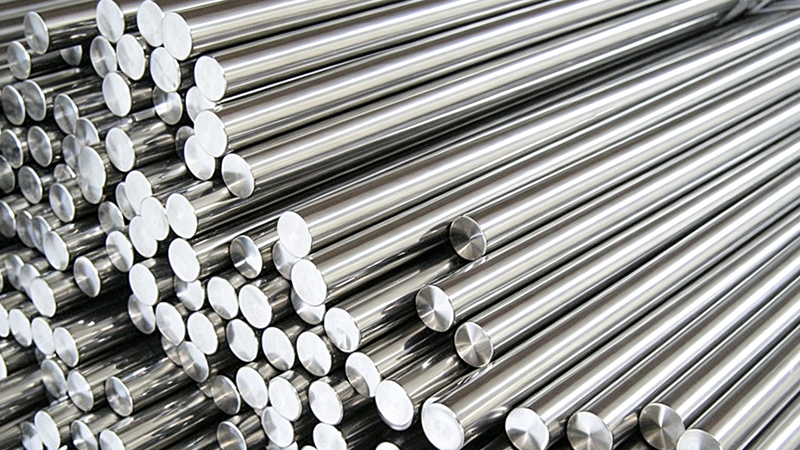
For applications with genuinely high daily cycle counts, base steel fatigue resistance deserves attention alongside the chrome layer itself. A rod that’s structurally adequate for the load but marginal on fatigue resistance can develop issues at the base steel level long before the chrome itself would be the limiting factor — a distinction worth raising with your supplier if you know the application will see sustained high-frequency cycling over its service life.
Seal Selection Matched to Cycle Rate
High cycle rate also affects seal selection and lubrication strategy independent of the rod itself. A seal compound or lubrication approach that works fine at a moderate cycle rate can generate more frictional heat than expected at sustained high frequency, which feeds back into rod wear over time. Coordinating rod specification with seal and lubrication choices, rather than treating them as independent decisions, gives the whole assembly a better chance of meeting its expected service life.
Specifying Against Real-World Cycle Counts
The practical lesson for equipment builders in this category is to ask the actual customer, or estimate from known facility throughput, what a realistic daily and annual cycle count looks like, rather than defaulting to a generic duty rating based on load alone. A dock leveler at a quiet facility and one at a 24-hour distribution hub carry very different real-world demands despite often sharing the same model number and load rating.
Related Reading
- Chrome Plated Rod for Material Handling and Forklift Cylinders
- Chrome Plated Rod for Excavator Attachments: Quick Coupler and Auxiliary Circuit Duty
- Rod Wiper Seals and Contamination Exclusion
What We Offer
- Chrome plated rod with consistent thickness and finish across short stroke lengths
- Base steel options selected for fatigue resistance under high daily cycle counts
- Guidance on matching chrome specification to realistic cycle rate estimates, not generic load ratings
- Full material traceability for material handling and dock equipment builders
Contact EAST AI (eaihydraulic.com) Email: market@east-ai.com Phone: +86 13771568763 Address: Wuxi, Jiangsu, China.
Written by Alex, Production Engineer at EAST AI