
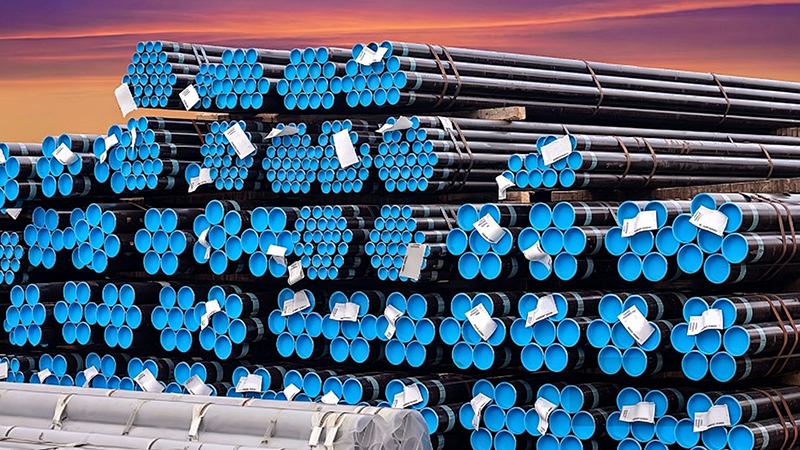
A Hydraulic Cylinder Tube Is More Than a Steel Pipe
Many people outside the hydraulic industry see a cylinder tube as a simple metal pipe.However, experienced hydraulic engineers understand that a hydraulic cylinder barrel is a precision component that directly influences equipment reliability.The internal surface of the tube must support continuous piston movement, maintain stable sealing conditions, and withstand thousands or even millions of operating cycles.
A tube with incorrect processing quality may still look acceptable from the outside, but it can create problems during actual operation.These problems may include:seal wear, internal leakage, unstable movement, and reduced cylinder service life.A high-quality Honed Tube is not created by one machining step. It is the result of controlled manufacturing processes from raw material preparation to final inspection.
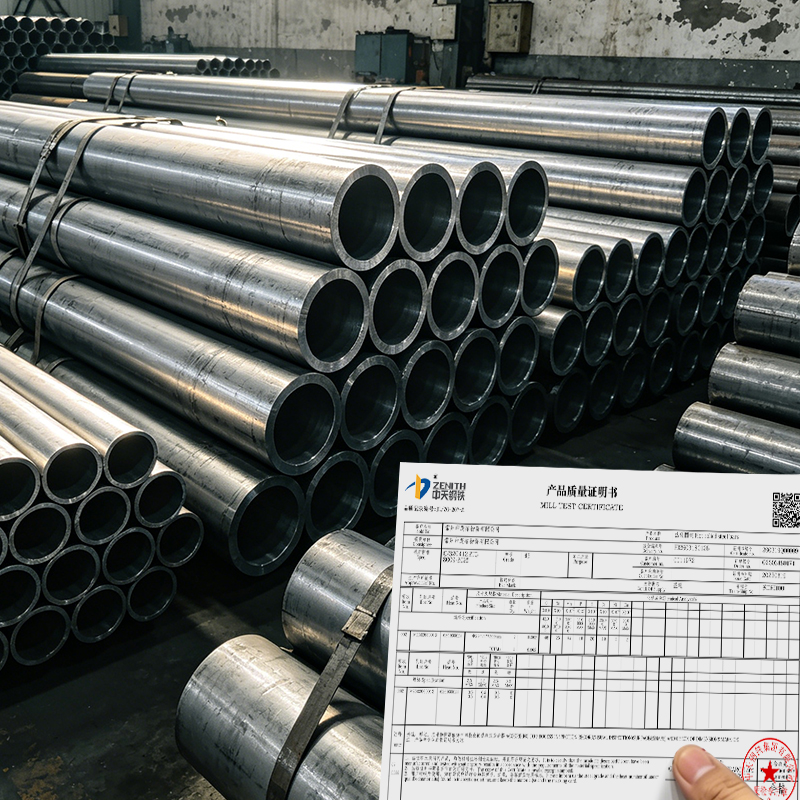
Step 1: Selecting the Right Steel Tube Material
The manufacturing process begins with material selection.The raw tube provides the foundation for the final hydraulic cylinder performance.Different applications may require different material characteristics depending on:operating pressure, mechanical requirements, environmental conditions, and customer standards.Common hydraulic cylinder tube materials include options such as E355, which is widely used because of its balance between mechanical properties, machinability, and dimensional stability.
Before processing begins, professional manufacturers verify material quality through documentation and inspection.This step helps ensure that the tube can maintain stable performance during later machining processes.Manufacturing precision starts with controlling the quality of the raw material.
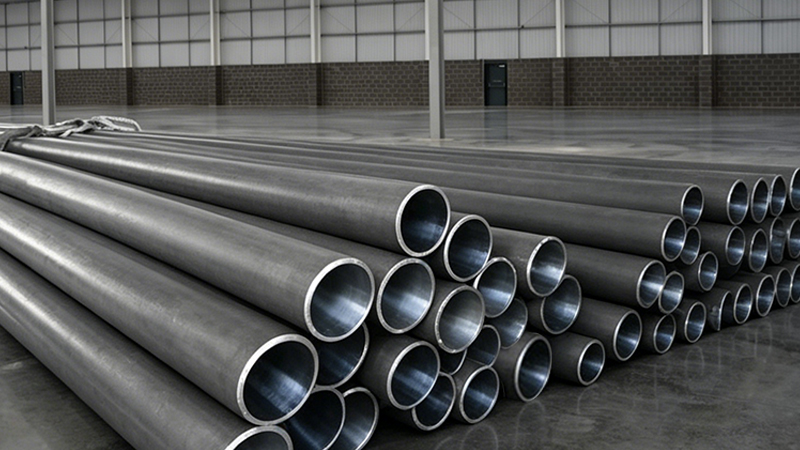
Step 2: Tube Preparation Before Honing
Before the honing process, the tube requires proper preparation.The purpose of preparation is to create a stable foundation for achieving accurate internal geometry.During this stage, manufacturers focus on factors such as:tube condition, dimensional consistency, and machining allowance.
If the starting condition is unstable, later precision processes become more difficult.A professional manufacturer understands that honing cannot correct every manufacturing issue.The quality of the final Honed Tube depends on the entire production chain.A precision process requires precision preparation.
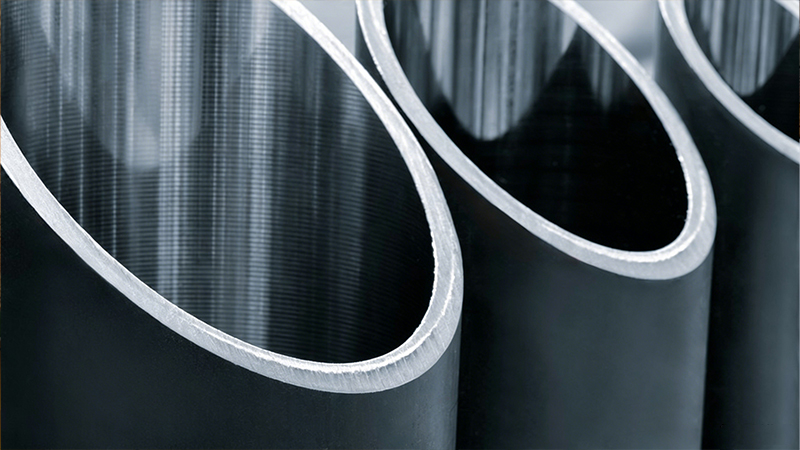
Step 3: The Honing Process Creates the Working Surface
Honing is the key process that transforms a prepared tube into a precision hydraulic cylinder component.Unlike simple drilling or polishing, honing is designed to improve the internal bore condition.
The process helps control:bore accuracy, surface finish, roundness, and overall internal consistency.The unique cross-pattern surface created during honing also helps maintain lubrication conditions between the bore and sealing elements.This balance is important because the surface should not be simply the smoothest possible.
It should provide the correct working environment for hydraulic seals.The purpose of honing is not only to improve appearance. It is to create a functional surface designed for long-term hydraulic performance.
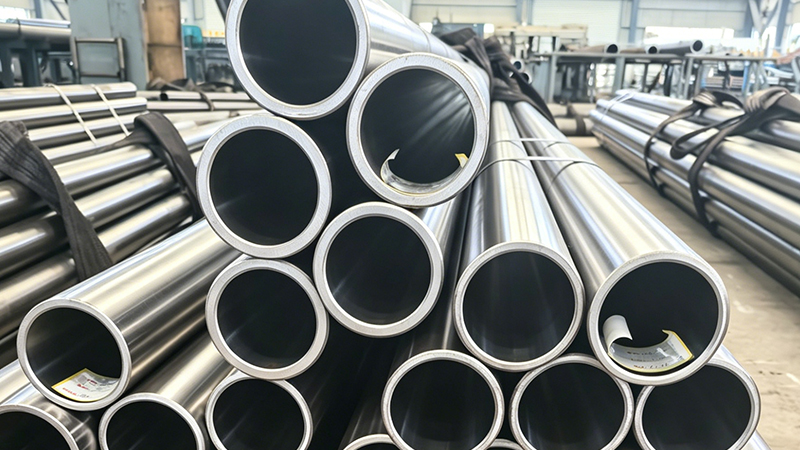
Step 4: Controlling Bore Accuracy and Surface Quality
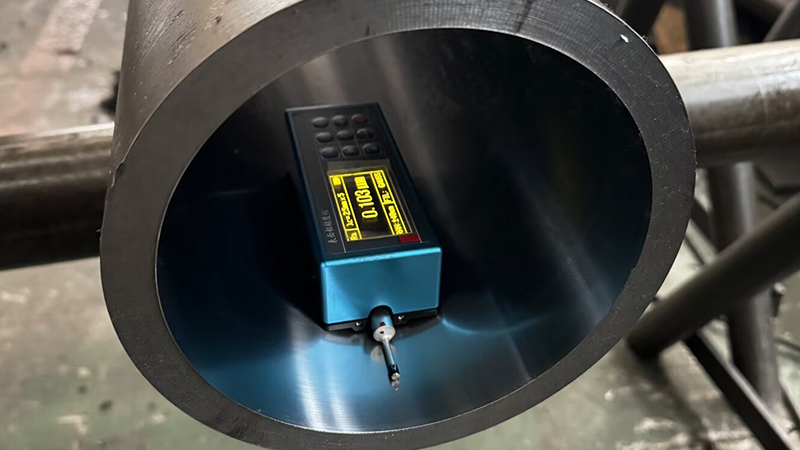
After honing, the internal quality of the tube must be carefully evaluated.Hydraulic cylinder performance depends on several connected characteristics.Bore diameter accuracy ensures correct piston and seal fit.
Surface finish influences lubrication retention and seal interaction.Roundness and straightness affect movement stability and load distribution.These factors work together to determine how the hydraulic cylinder performs in real applications.A tube that meets only one specification may still fail to provide consistent performance.Reliable hydraulic components require complete quality control, not isolated measurements.
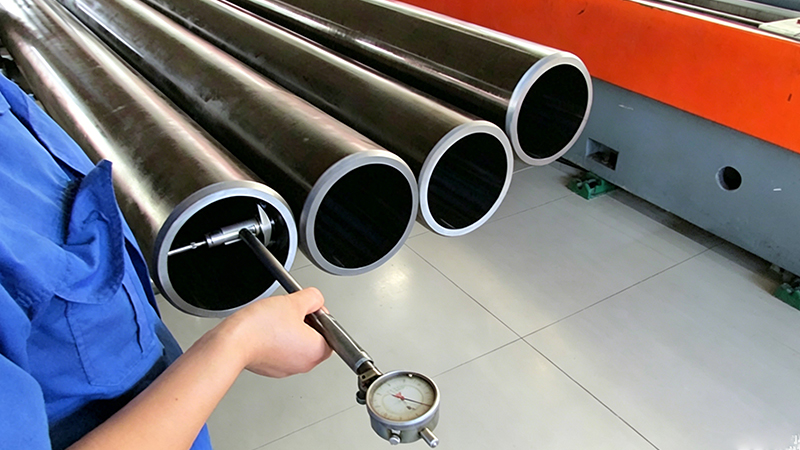
Step 5: Inspection and Quality Verification
Professional Honed Tube manufacturers perform inspections before shipment.The inspection process verifies whether the finished product meets customer requirements and production standards.Depending on application requirements, inspection may include dimensional checks, surface evaluation, material verification, and appearance inspection.For OEM customers, inspection records provide confidence that repeated orders can maintain consistent quality.
A supplier’s ability to provide stable batches is often more valuable than achieving one perfect sample.Consistency is the real measure of manufacturing capability.
Why Manufacturing Process Matters When Choosing a Honed Tube Supplier
When purchasing Honed Tubes, many buyers focus mainly on price and delivery time.However, long-term hydraulic performance depends heavily on how the tube is manufactured.A supplier with strong process control can better manage:
material stability, machining accuracy, surface quality, and batch consistency.This reduces risks during cylinder assembly and field operation.For hydraulic cylinder manufacturers, the supplier’s manufacturing process becomes part of their own product quality.Choosing a Honed Tube supplier means choosing a manufacturing standard, not just a product.
Common Mistakes When Buying Honed Tubes
Some purchasing decisions create problems because evaluation focuses on only one factor.Common mistakes include selecting suppliers only by price, ignoring manufacturing process capability, and assuming all Honed Tubes have the same internal quality.
Two tubes may have identical dimensions on paper but deliver different performance because their production control is different.For OEM manufacturers, stable quality is more important than temporary cost savings.The true value of a hydraulic component is measured by reliability throughout its service life.
Related Reading
- Why Honed Tube Roundness Is Critical for Hydraulic Cylinder Reliability
- How Surface Roughness Affects Hydraulic Cylinder Seal Performance
- How to Choose the Right Honed Tube Material for Hydraulic Cylinders
Frequently Asked Questions
What is a Honed Tube used for?
A Honed Tube is mainly used for hydraulic and pneumatic cylinder applications where accurate bore dimensions and controlled internal surface quality are required.
What is the purpose of the honing process?
The honing process improves internal bore accuracy, surface finish, and geometric consistency to create a suitable working surface for hydraulic seals.
Why is Honed Tube quality important for hydraulic cylinders?
The tube directly affects sealing performance, piston movement, friction behavior, and overall cylinder service life.
What materials are commonly used for Honed Tubes?
Common materials include E355 and other hydraulic cylinder tube grades selected according to application requirements and customer standards.
How do I choose a reliable Honed Tube supplier?
Evaluate manufacturing capability, process control, inspection methods, material traceability, and the supplier’s ability to maintain consistent quality across batches.
Is every precision tube suitable for hydraulic cylinders?
No. Hydraulic cylinder applications require specific internal geometry, surface finish, and dimensional control that general precision tubes may not provide.
Need Technical Support?
Choosing the right Honed Tube requires understanding more than dimensions and material grades.Manufacturing process control, bore accuracy, surface quality, and batch consistency all influence hydraulic cylinder reliability.
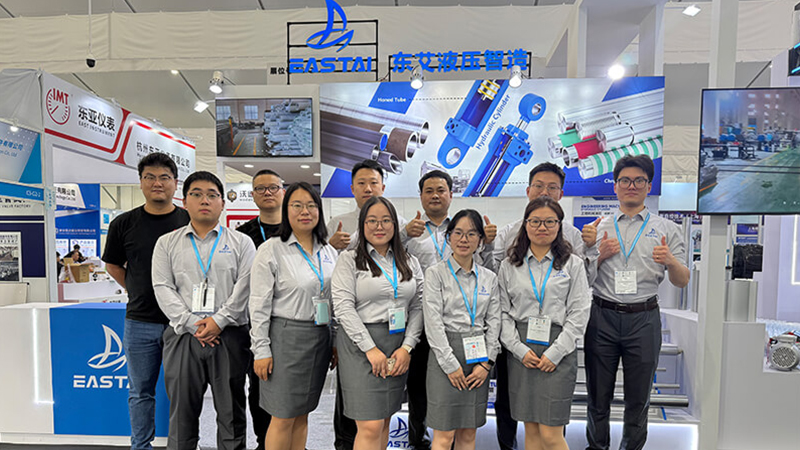
At EAST AI, we manufacture Honed Tubes and Chrome Plated Rods for hydraulic cylinder applications, focusing on stable processes, precise control, and consistent quality for OEM partners.A reliable hydraulic cylinder starts with a reliable manufacturing process.