
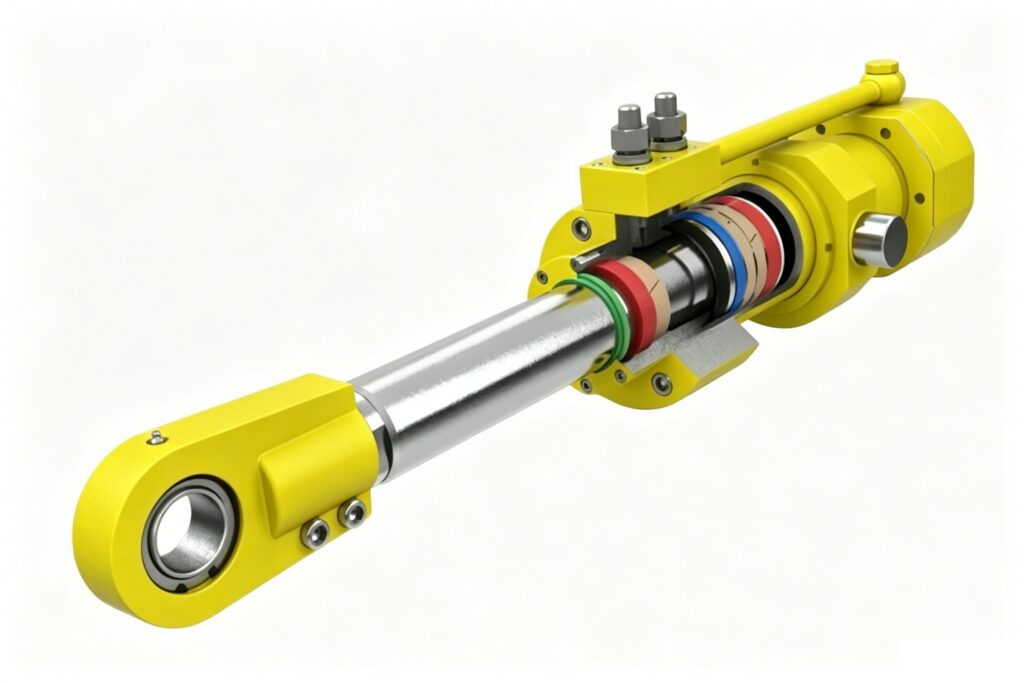
A Small Design Decision Can Affect the Entire Hydraulic System
When designing hydraulic equipment, engineers usually consider many factors:working pressure, stroke length, installation space, operating speed, and load requirements.However, one of the most important design decisions is often the hydraulic cylinder bore size.The bore diameter directly influences the force output, movement speed, oil flow requirement, and overall efficiency of the hydraulic system.
A cylinder with an unsuitable bore size may still operate, but it may create problems such as insufficient force, excessive energy consumption, slow movement, or unnecessary system stress.This is why experienced hydraulic engineers do not select cylinder bore size based only on available space.They consider the complete relationship between machine requirements and hydraulic performance.The correct bore size creates the foundation for a balanced hydraulic system.
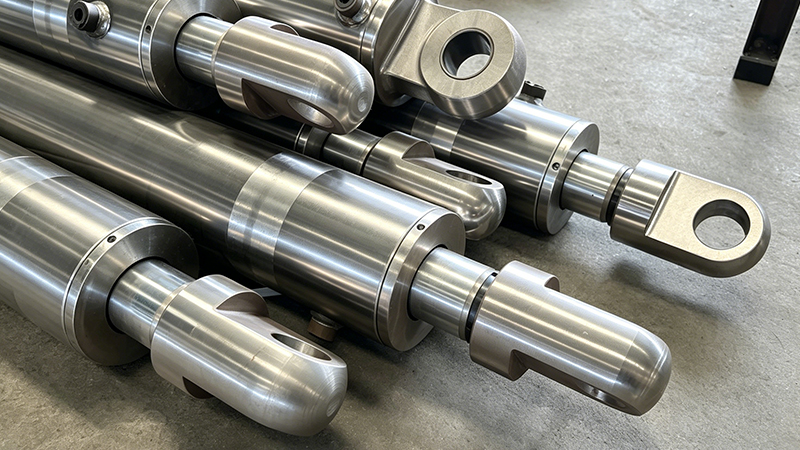
What Does Hydraulic Cylinder Bore Size Mean?
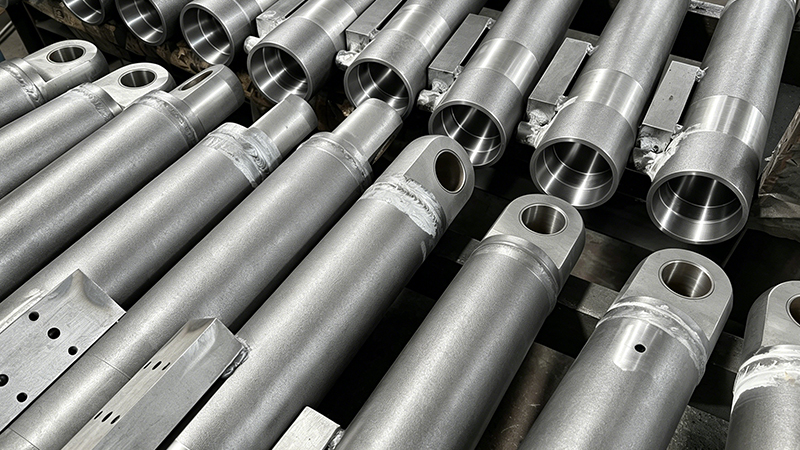
The bore size refers to the internal diameter of the hydraulic cylinder tube where the piston moves.It determines the effective piston area that hydraulic pressure acts against.A larger bore provides a larger working area, allowing the cylinder to generate greater force under the same hydraulic pressure.
A smaller bore requires less hydraulic oil flow for movement but provides lower force output.Therefore, bore size is not simply a dimensional specification.It is a critical engineering parameter that affects the relationship between:pressure, force, speed, and energy consumption.Hydraulic cylinder design is always a balance between performance requirements and system efficiency.
How Bore Size Affects Hydraulic Cylinder Force
The primary reason engineers select different bore sizes is force requirement.A hydraulic cylinder converts hydraulic pressure into mechanical force.When the piston area increases, the cylinder can produce greater pushing force under the same pressure condition.
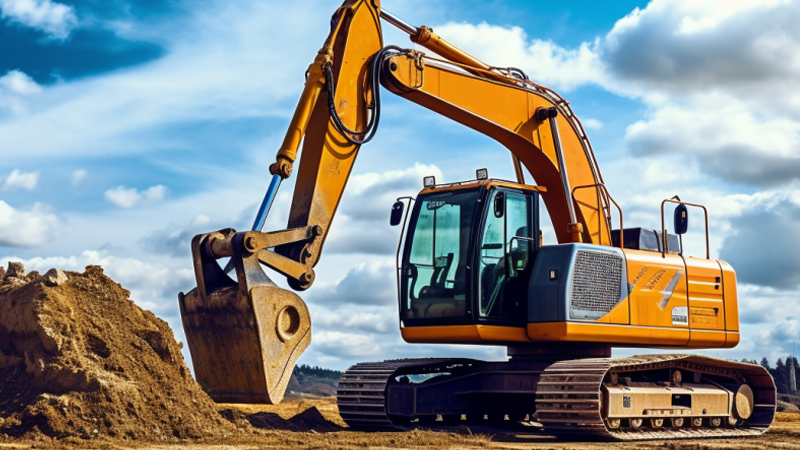
This is why heavy equipment such as:excavators, mining machinery, presses, and lifting systems often use larger bore cylinders.However, increasing bore size also creates additional requirements.A larger cylinder requires more hydraulic fluid volume and may increase system demand.Therefore, the largest possible bore is not always the best solution.The correct cylinder size is the one that meets the application requirement efficiently.
How Bore Size Influences Hydraulic Cylinder Speed
Many engineers focus on force but underestimate the relationship between bore size and operating speed.Cylinder speed depends on hydraulic flow rate and piston area.When bore diameter increases, the piston requires more oil volume to complete the same stroke distance.Under the same pump flow conditions, a larger bore cylinder may move slower.This creates an important design balance:larger bore improves force capability, but it may reduce movement speed.For equipment manufacturers, selecting the correct balance between force and speed is essential for machine performance.A hydraulic cylinder is not designed only to be powerful. It must also perform efficiently.
The Relationship Between Bore Size and Hydraulic Efficiency
An oversized cylinder may provide more force than required but increase unnecessary energy consumption.A smaller cylinder may improve speed but fail to provide sufficient working force.Both situations reduce system efficiency.Professional hydraulic design considers:equipment load requirements, working cycle, operating pressure, available flow rate, and expected service life.The goal is not simply selecting a larger or smaller cylinder.The goal is selecting the most suitable hydraulic solution.Efficient hydraulic systems are designed around requirements, not assumptions.
Why Bore Accuracy Matters After Cylinder Design
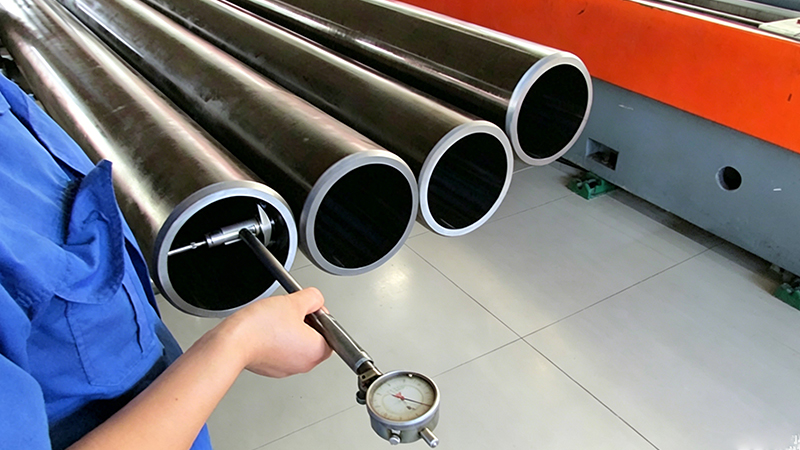
Selecting the correct bore size is only the first step.The actual manufacturing accuracy of the bore directly affects cylinder performance.The internal surface of the cylinder must provide stable conditions for piston and seal movement.This is why hydraulic cylinder manufacturers rely on precision components such as Honed Tubes.A high-quality Honed Tube provides:controlled bore dimensions, stable surface conditions, and consistent internal geometry.These characteristics help maintain reliable sealing and smooth piston movement.A theoretically correct cylinder design still requires accurate manufacturing to achieve the expected performance.Good hydraulic design and precision manufacturing must work together.
How Incorrect Bore Selection Creates Real Problems
Incorrect bore selection can create several practical issues.A cylinder with insufficient bore size may struggle to generate the required force.The machine may experience:slow operation, unstable movement, or inability to complete heavy tasks.A cylinder with excessive bore size may increase:oil consumption, component cost, and system energy requirements.For OEM equipment manufacturers, these problems can affect:
production efficiency, operating cost, and customer satisfaction.The best hydraulic solution is not the biggest one.It is the one optimized for the actual application.
Bore Size Selection in Different Applications
Different industries have different priorities.Construction equipment usually requires high force capability because cylinders operate under heavy loads.Mining equipment requires durability because cylinders work under harsh conditions for long periods.
Industrial automation equipment often focuses more on precision and repeatability.Agricultural machinery requires a balance between performance, reliability, and cost.Each application requires engineers to evaluate the complete working environment before selecting cylinder specifications.Hydraulic cylinder design should always begin with understanding the application.
Common Mistakes When Selecting Hydraulic Cylinder Bore Size
Some design mistakes happen because engineers focus on only one parameter.Common examples include:
choosing a cylinder based only on available installation space, selecting excessive capacity without considering efficiency, ignoring operating cycle requirements, or overlooking component quality.A hydraulic cylinder is a complete system.Bore size, rod diameter, tube quality, sealing system, and hydraulic conditions must work together.A correct decision requires a complete engineering evaluation.Good cylinder design is the result of balancing multiple technical factors.
Related Reading
- How Honed Tubes Are Manufactured: From Steel Tube to Precision Hydraulic Component
- Why Honed Tube Tolerance Control Determines Hydraulic Cylinder Reliability
- How Surface Roughness Affects Hydraulic Cylinder Seal Performance
Frequently Asked Questions
How does hydraulic cylinder bore size affect force?
A larger bore provides a larger piston area, allowing the cylinder to generate greater force under the same hydraulic pressure.
Does a larger hydraulic cylinder bore always mean better performance?
No. A larger bore increases force capability but also increases oil requirements and may reduce movement speed under the same flow conditions.
How do engineers select hydraulic cylinder bore size?
Engineers consider load requirements, working pressure, speed, available hydraulic flow, installation conditions, and application environment.
Why is bore accuracy important for hydraulic cylinders?
Bore accuracy affects piston movement, seal performance, friction, and overall cylinder reliability.
What role does the Honed Tube play in bore performance?
The Honed Tube provides the precision internal surface required for stable piston and seal operation.
Can incorrect bore size damage hydraulic equipment?
Yes. An unsuitable bore size can increase system stress, reduce efficiency, and create performance problems.

Need Technical Support?
Hydraulic cylinder performance starts with correct engineering decisions.
At EAST AI, we manufacture Honed Tubes and Chrome Plated Rods for hydraulic cylinder applications, supporting OEM manufacturers with precision components, stable quality, and reliable supply.A well-designed hydraulic cylinder begins with the right specifications and the right manufacturing partner.